
SER-Europe has published a new policy brief on the ecological restoration of Europe’s extractive sites, including quarries, mines, sandpits, spoil heaps, and other landscapes disturbed by mineral and peat extraction. Restored well, these sites can be transformed from degraded land into habitats that support biodiversity and deliver key ecosystem services, from pollination and climate and water regulation to nature-based recreation.
Drawing on evidence from more than 500 extractive sites across ten European countries, the brief identifies five key barriers to restoration and sets out five corresponding pathways to overcome them and maximise biodiversity potential. It calls on authorities and site managers to integrate quarrying, mining, and other extractive sites as priority areas for restoration in National Restoration Plans, to align mining legislation with the goals of the EU Nature Restoration Regulation, and to pursue the most ambitious restoration targets possible, supported by site-specific assessment, long-term monitoring, and habitat-specific management.
Habitat Creation During and After Extraction
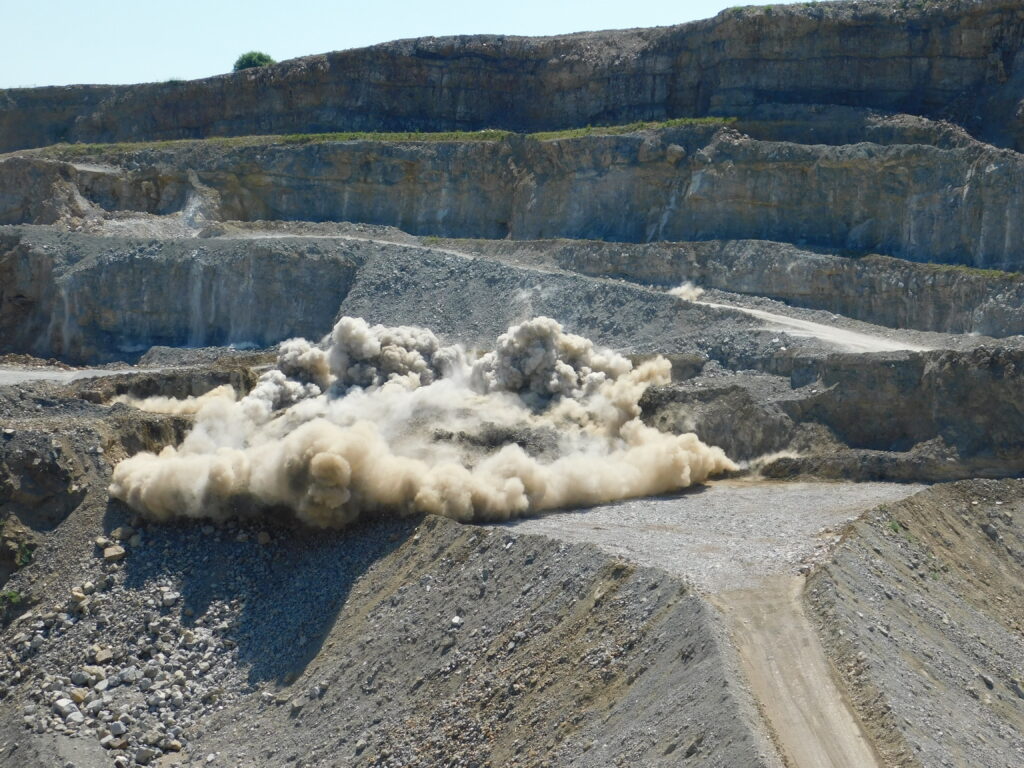
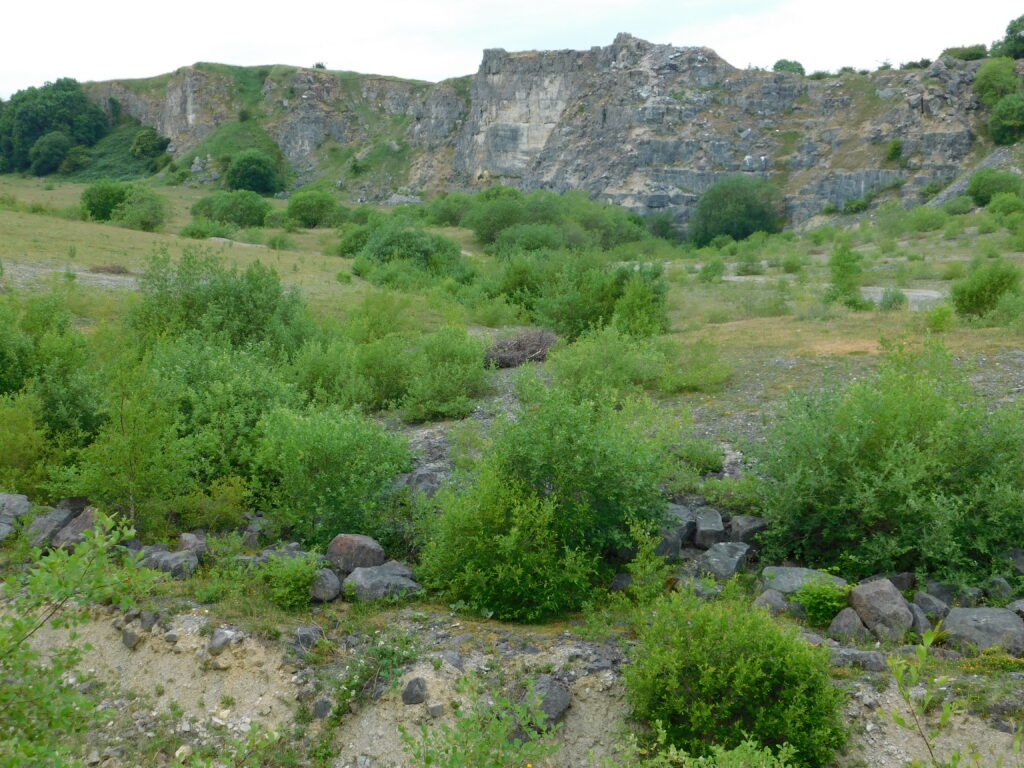
Quarrying landscapes can provide opportunities during and after operations to create or restore valuable habitats, with appropriate planning and management enhancing environmental outcomes. Active limestone quarry during bench blasting (left) and abandoned quarry undergoing natural revegetation (right). Limestone quarries (Atlantic).
Explored further at SERE2026
The launch comes ahead of the 15th European Conference on Ecological Restoration (SERE2026) in Brest, where the topic will be examined in Session SS19, “Assisted Restoration of Mines and Quarries in Extractive Sites Across Europe: What Works Where?”, on 25 August. The session will bring together researchers and practitioners from across Europe to share experience and discuss restoration approaches across a wide range of extractive-site contexts.