
SER-Europe is proud to partner in REBORN, a new €4.9 million project that the EU Interreg North-West Europe programme co-funds to unlock seagrass restoration at scale across the region.
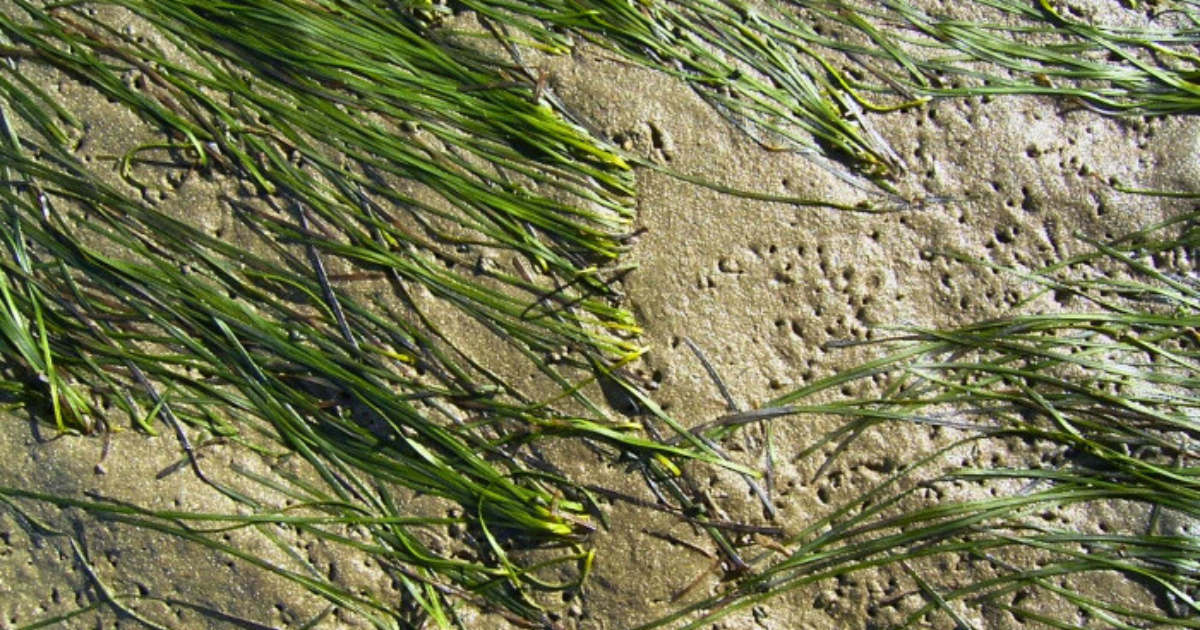
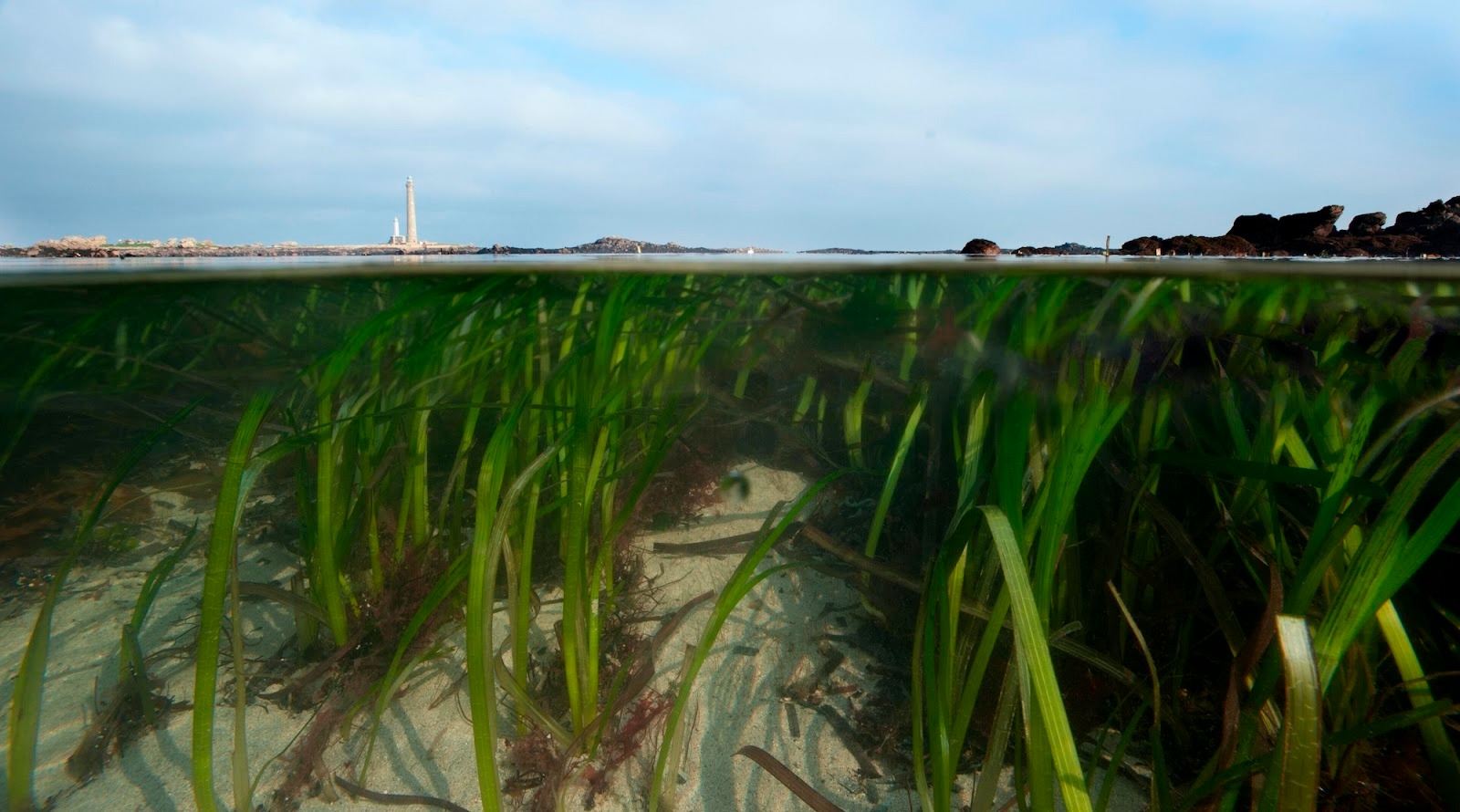
Seagrass meadows are among the most important coastal ecosystems on the planet, supporting high levels of marine biodiversity and providing a wide range of ecosystem services.

They improve water quality, stabilize sediments, protect coastlines from erosion, and provide critical habitat and nursery grounds for thousands of marine species that support coastal livelihoods and food security. Seagrass meadows have also been found to contribute to long-term carbon storage in coastal sediments.
However, these ecosystems are under increasing pressure globally due to a combination of human-driven pressures and environmental change. REBORN addresses this challenge by developing and testing scalable restoration approaches that can be replicated across North-West Europe and beyond.
About REBORN
REBORN unites 11 partners, including SER-Europe, across North-West Europe to develop and test scalable restoration approaches over the next 3.5 years. The project advances seagrass governance, restoration practice, and capacity building across the region.
The project aims to:
- Build a multi-actor community of more than 30 organisations that drive long-term seagrass restoration governance and policy change in North-West Europe under common standards and methods
- Test a novel restoration model across 15 hectares at 5 pilot sites in collaboration with 250 community members and scale its application on up to 50,000 hectares
- Increase the capacity of 40 organisations as seagrass restoration ambassadors through tailored capacity building modules and certified practitioner training
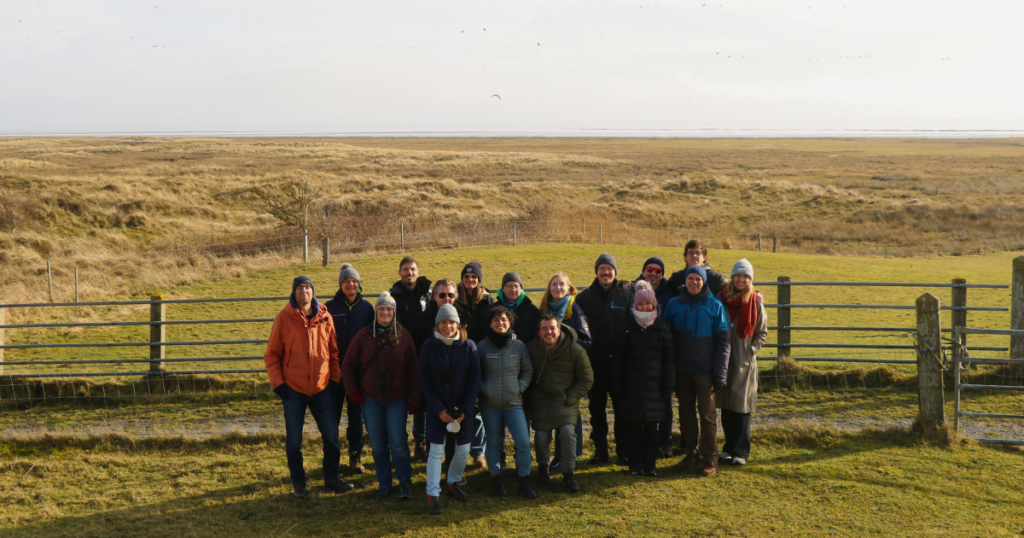
The University of Groningen hosted the project launch in February 2026 at their field station on Schiermonnikoog, an island in the Dutch Wadden Sea that once supported extensive seagrass meadows.
SER-Europe’s Role: Unifying Science, Practice, and Community
SER-Europe occupies a strategic position within REBORN to ensure that internationally recognised standards guide restoration efforts, build long-term capacity, and engage communities across North-West Europe.
In REBORN, SER-Europe’s unifying role ensures that every pilot site, every training course, and every community engagement activity contributes to a consistent, replicable, and high-quality restoration effort that teams can measure and scale across the region.
Build Long-Term Restoration Capacity
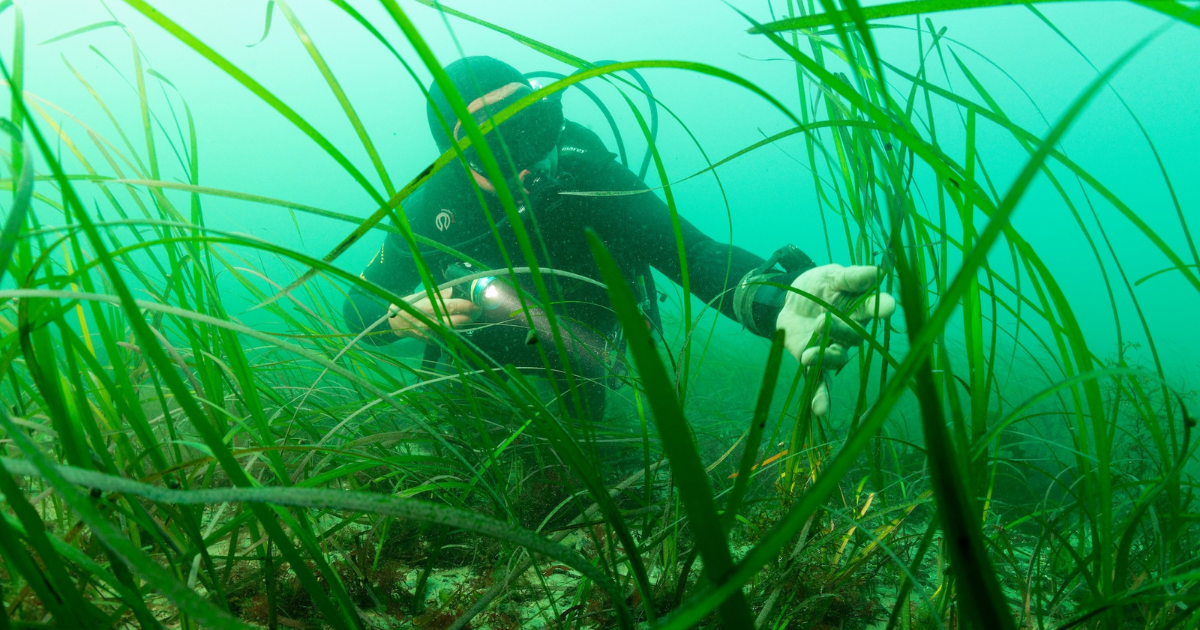
SER-Europe will develop a dedicated seagrass restoration module within the internationally recognised Certified Ecological Restoration Practitioner (CERP) programme, which we will deliver in collaboration with the Sea Rangers Service. This module provides rigorous, standards-aligned training that builds a skilled workforce capable of sustaining restoration efforts beyond the project timeline.
The certified training ensures consistent application of best-practice methods across pilot sites and strengthens the credibility of seagrass restoration efforts, making them more fundable and scalable across Europe.
.jpg)
Strengthening Collaboration and Governance
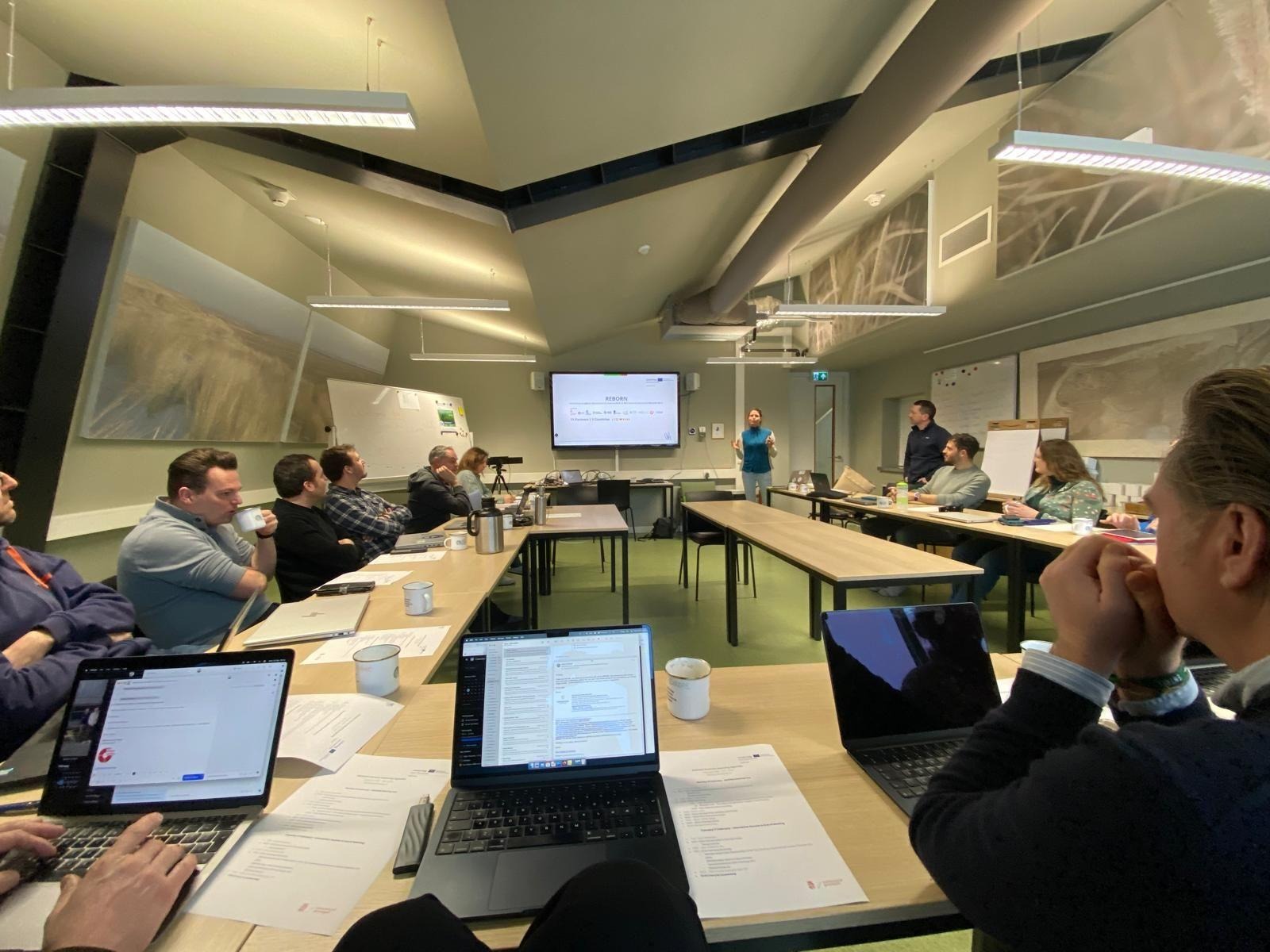
SER-Europe will convene public authorities, research organisations, NGOs, businesses, and global seagrass networks, including the European Seagrass Restoration Alliance, World Seagrass Association, and Global Seagrass Nursery Network, to create a shared roadmap for action.
This convening role builds on existing project partnerships whilst embedding restoration in durable governance structures and policy frameworks. The approach aligns actions with EU priorities and supports future investment in marine restoration.
Empower Coastal Communities
Community engagement drives lasting restoration. SER-Europe will engage local residents, youth groups, volunteers, and businesses through Make A Difference Week (MADW) and Restoration Community Days. These events foster community pride and stewardship, build local ambassadors for seagrass restoration, strengthen social cohesion, and provide opportunities for hands-on participation in restoration activities.
By leveraging REBORN pilot sites alongside SER-Europe’s extensive networks, this approach transforms ecological restoration into a shared social mission, creating a culture of care and advocacy that extends beyond project timelines.
Deliver Measurable and Visible Impact
Pilot sites across North-West Europe will provide tangible evidence of ecological, social, and economic gains, from increased biodiversity and improved coastal resilience to enhanced ecosystem services.
SER-Europe will implement methodologies including the Ecological Recovery Wheel and Social Benefits Wheel to provide robust evidence of restoration outcomes. Through comprehensive training to implementation teams, SER-Europe will enable continuous monitoring and consistent reporting of results.
Teams will share findings and lessons learned widely through local events, webinars, podcasts, conferences, and European-level gatherings, ensuring that REBORN demonstrates effective, evidence-based restoration that can inspire replication across Europe.
Influence Policy and Unlock Future Investment
SER-Europe will work to ensure that pilot actions are fully aligned with EU and international policy priorities, from the Nature Restoration Regulation to emerging nature-based solution frameworks.
By embedding restoration within policy and finance frameworks, SER-Europe aims to ensure that seagrass restoration delivers both ecological effectiveness and investment viability, building pathways for future funding and long-term recovery of seagrass ecosystems across Europe.
_devant_le_phare_de_l%27%C3%AEle_Vierge_(Ifremer_00564-67565_-_43874).jpg)
Looking Ahead
As REBORN moves forward, SER-Europe’s role as a unifying partner helps transform the project from a collection of pilot sites into a cohesive, impactful, and enduring movement for seagrass restoration across North-West Europe and beyond.
Through standards-based practice, community engagement, and policy alignment, SER-Europe works to ensure that the restoration of seagrass meadows becomes a scalable, lasting contribution to coastal ecosystem recovery and climate resilience across Europe.