
In January 2026, SER-Europe contributed to a four-day, in-person training on wetland restoration in Malta, organised by BirdLife Malta and was delivered by Patrick Grillas, senior wetland ecologist from Institut Tour du Valat. The training brought together representatives from key government agencies and environmental organisations to strengthen national restoration capacity.
The sessions took place from 19–22 January and included participants from the Environmental Resources Authority, the Energy and Water Agency, Nature Trust, Majjistral Park, and Friends of the Earth. With EU Member States required to submit National Nature Restoration Plans by September 2026 under the Nature Restoration Regulation, the training focused on building shared understanding, technical capacity, and cross-sector collaboration.
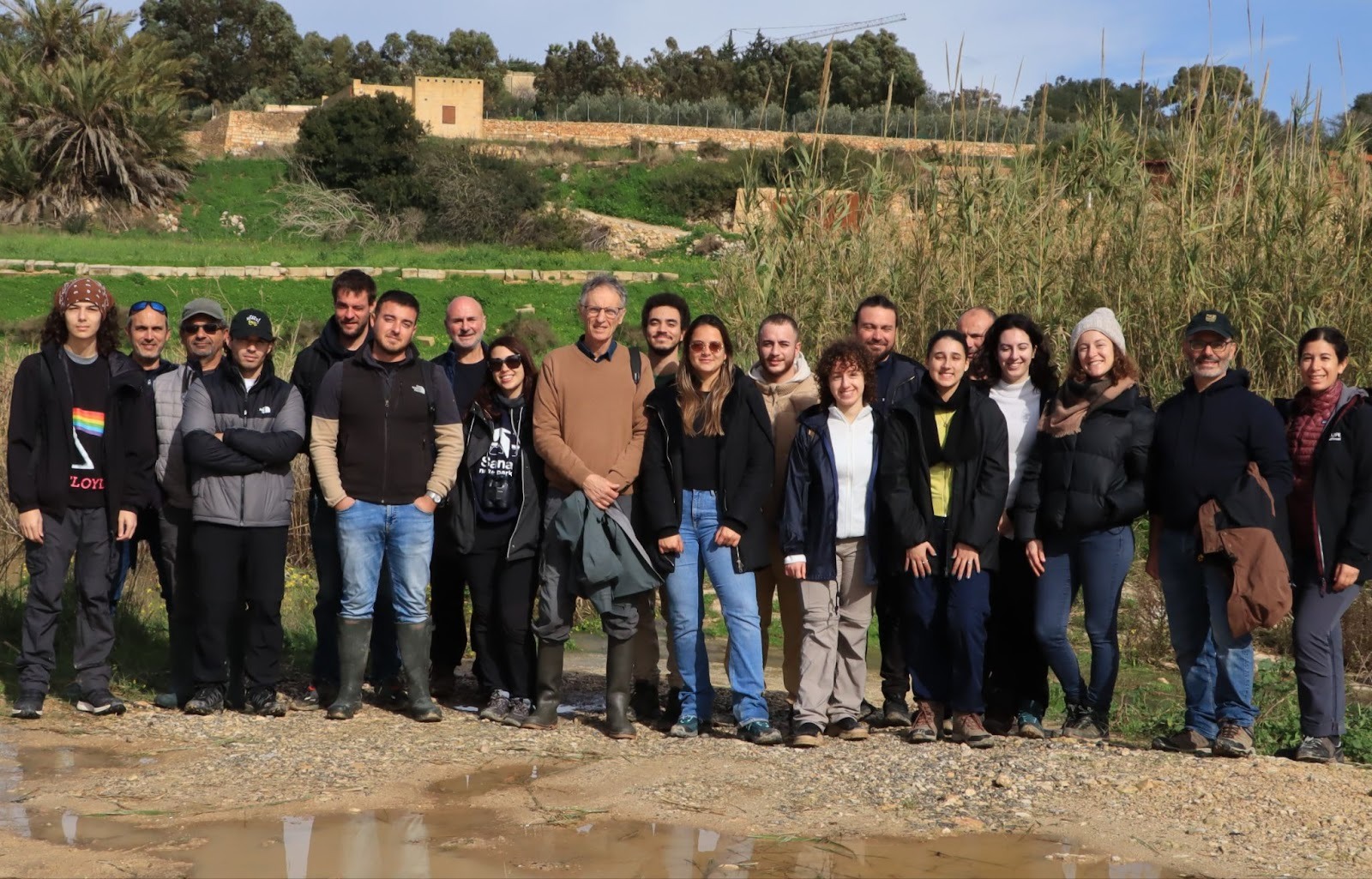
Applying SER’s International Standards to the Maltese Context
The training was led by wetland ecologist Patrick Grillas of Tour du Valat, on behalf of SER Europe. An essential component of the programme was the application of the SER’s International Principles and Standards for the Practice of Ecological Restoration. The first day focused on foundational theory, including the SER Standards and examples from international restoration projects.
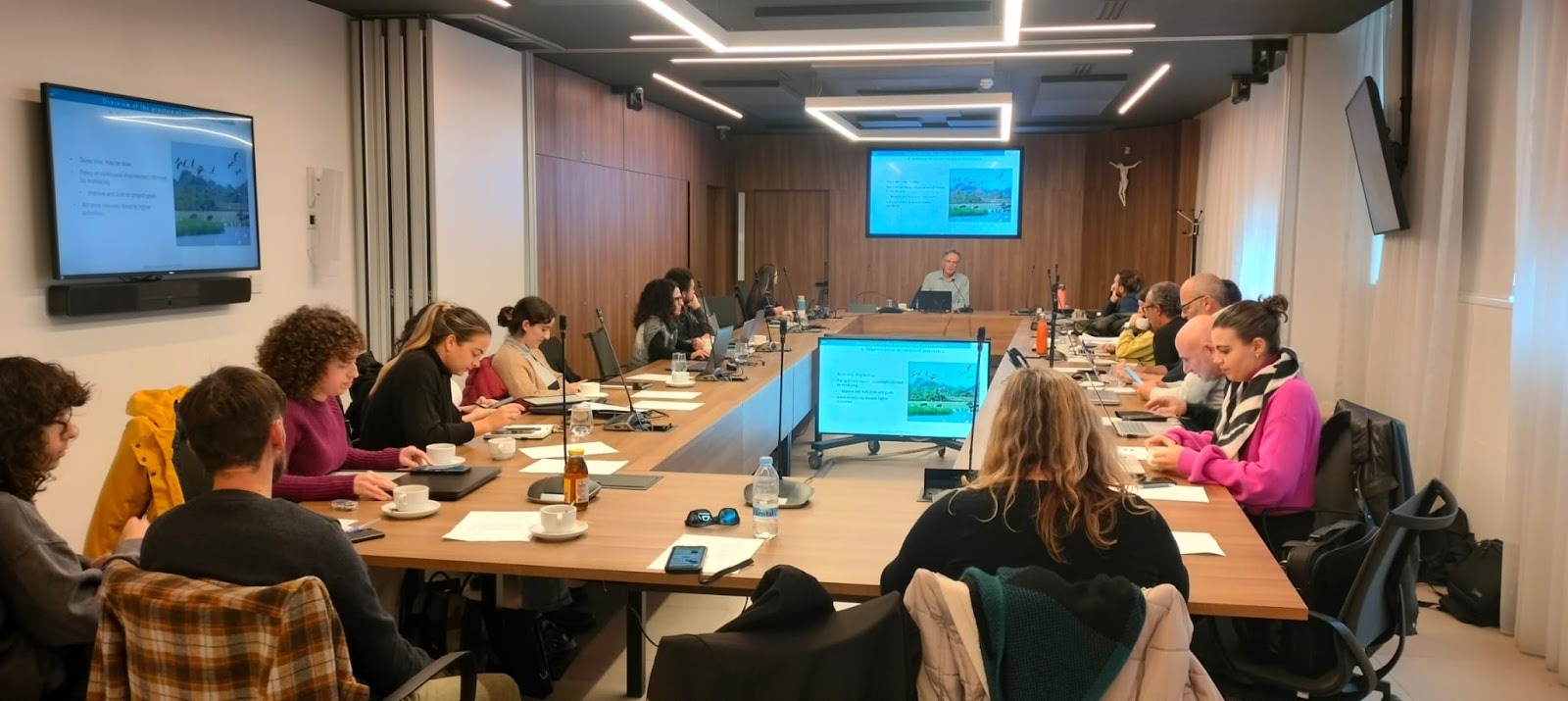
Subsequent sessions combined technical discussion with field-based learning. Participants visited potential restoration sites, including a full-day visit to the island of Comino, to explore restoration potential, practical constraints, and long-term management considerations in Malta’s unique ecological and socio-economic context. Discussions addressed restoration planning, implementation, monitoring, and evaluation, with particular emphasis on defining realistic goals, establishing baselines, and designing measurable outcomes aligned with EU requirements.
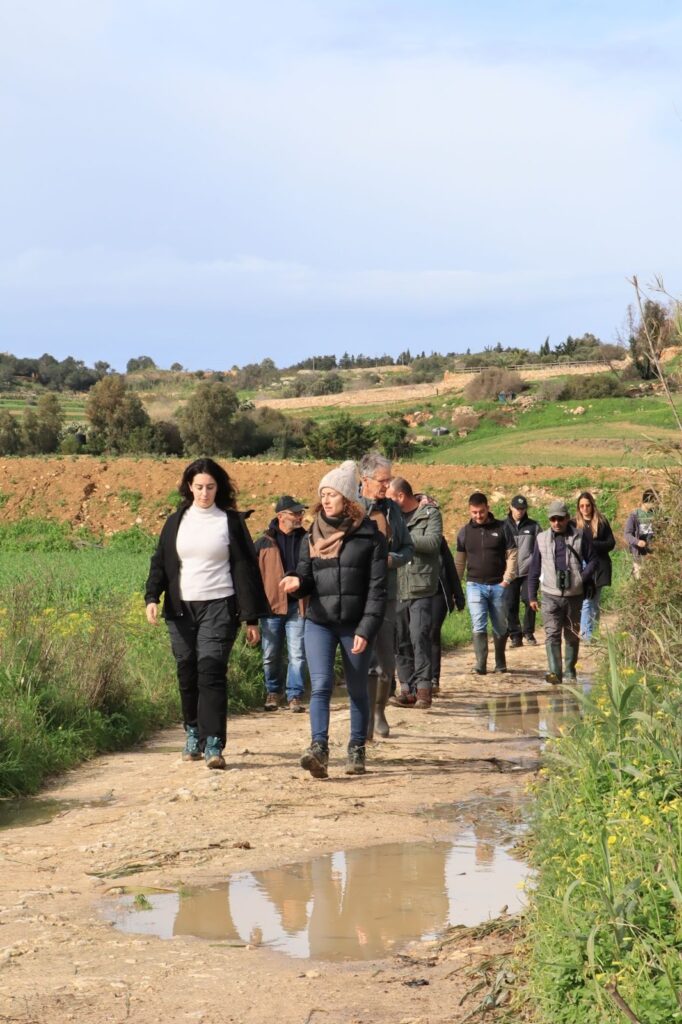
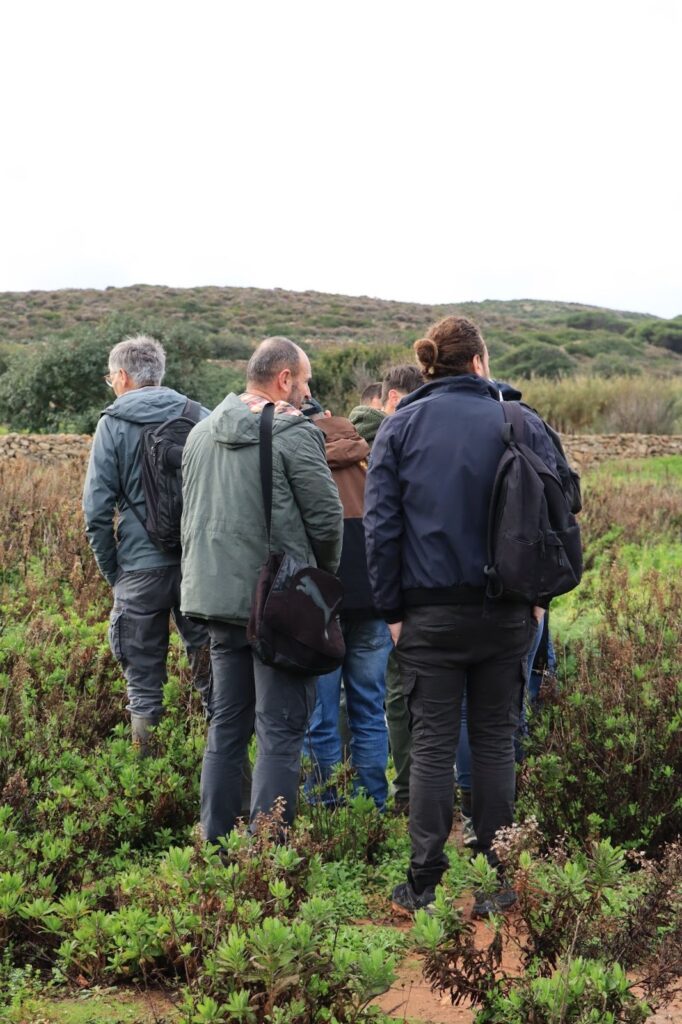
Caption: Subsequent days focused on hands-on learning, site visits and discussions on practical restoration, management, and measurable outcomes.
Restoration as Opportunity
Malta faces significant ecological pressures, including high population density, tourism, land-use intensity, and water scarcity. At the same time, the country has clear restoration needs and strong potential for impactful action. The development of Malta’s National Nature Restoration Plan, led by the Environmental Resources Authority, presents an important opportunity to address long-standing habitat degradation for the benefit of biodiversity and society.
Participants highlighted the value of working within a common framework grounded in international best practice. The training also reinforced a core principle of ecological restoration: meaningful stakeholder engagement. Successful restoration planning and long-term implementation depend on collaboration among public authorities, civil society, landowners, farmers, and fishers.
Building Long-Term Capacity
Feedback from participants underscored the importance of the training in strengthening technical understanding and fostering new professional connections among those working in restoration across Malta. By grounding discussions in the SER Standards, the workshop helped establish a shared language and approach to restoration that can support the development and delivery of Malta’s national plan.
SER Europe is committed to supporting this growing momentum for standards-based ecological restoration across the region. As implementation of the Nature Restoration Regulation advances, continued collaboration and capacity building will be essential to achieving measurable, science-based outcomes for Europe’s ecosystems.
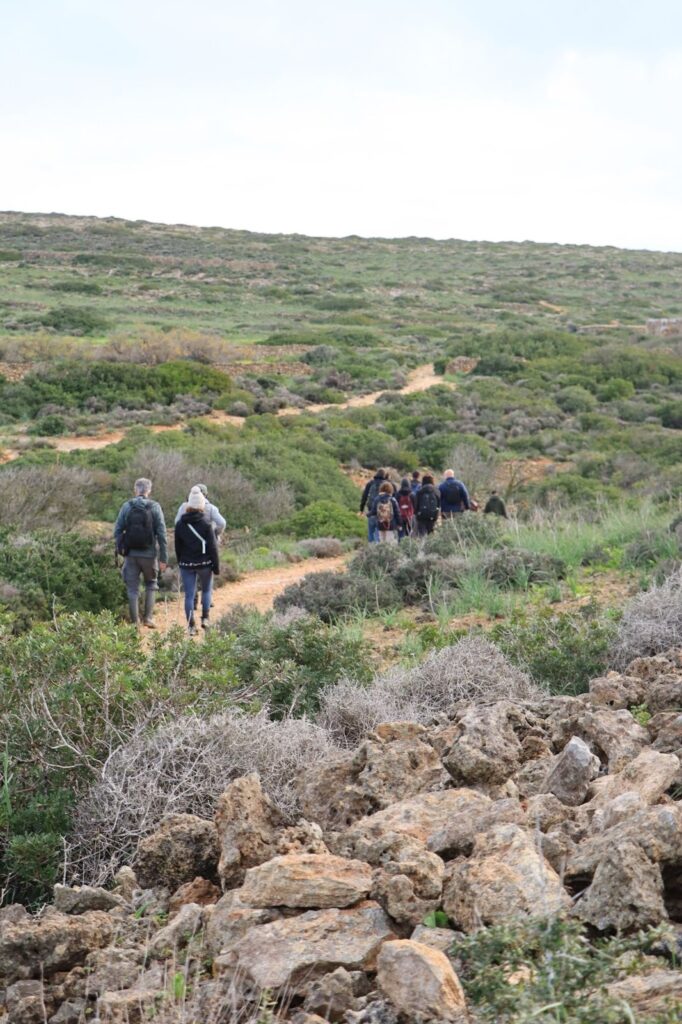
Caption: Fields trips included a full-day visit to the island of Comino.
The training was organised by BirdLife Malta, with the first day hosted at the premises of the Environment & Resources Authority. It was supported by Tour du Valat, and funded by the Oak Foundation and BirdLife International.