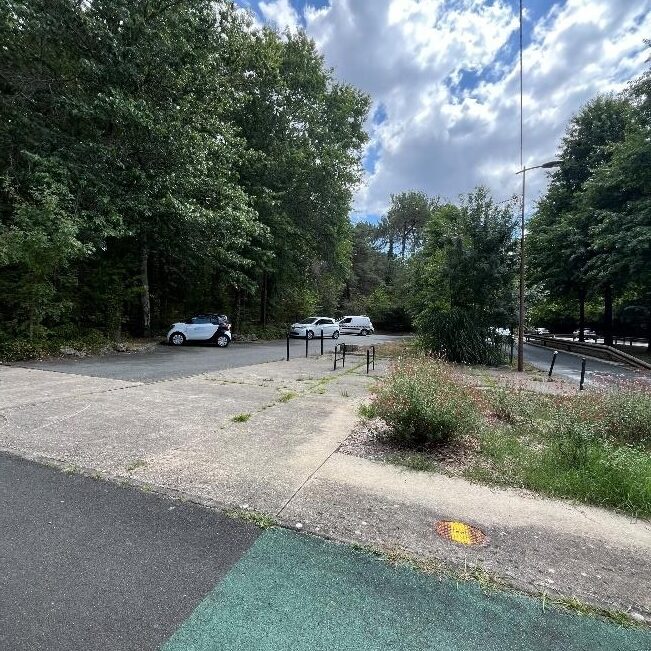
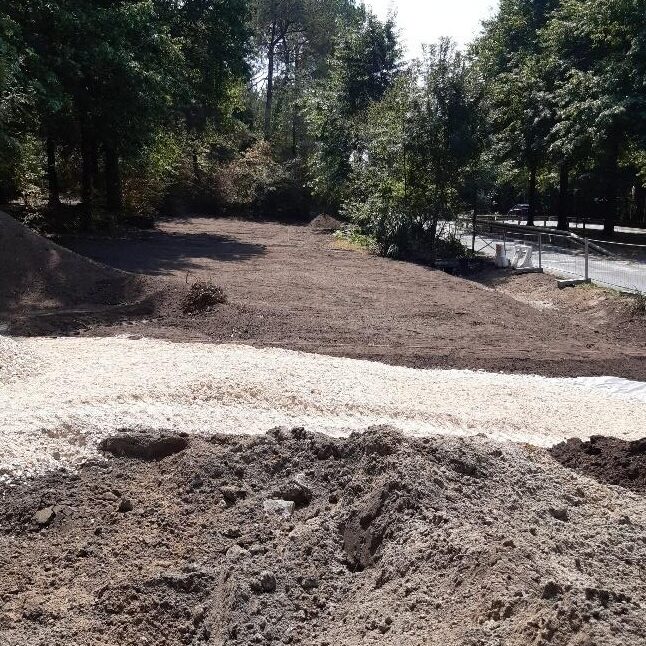
SER Europe is supporting the LIFE Biodiver’Cité & Résilience (LIFE BCR) project by sharing best practices across Europe’s restoration community, developing a replication and transferability strategy, and working with cities interested in adapting these approaches. We are also contributing to knowledge exchange through technical notes, webinars, policy briefs and scientific outputs.
Biodiversity loss is a growing concern in urban and periurban areas, and Bordeaux Métropole is responding by implementing large-scale ecological restoration on four sites covering more than 6,900 hectares. Building on the Biodiver’Cité 2017–2020 strategy, the LIFE BCR project focuses on reversing land sealing, reducing light and noise pollution, improving wetlands and aquatic habitats, and promoting more resilient agroecological practices. These interventions aim to benefit species and habitats with poor conservation status, enhance ecosystem services across the metropolitan area, and improve quality of life for local residents.
More information on the full project scope and objectives is available here. To date, three restoration actions are in the operational phase.
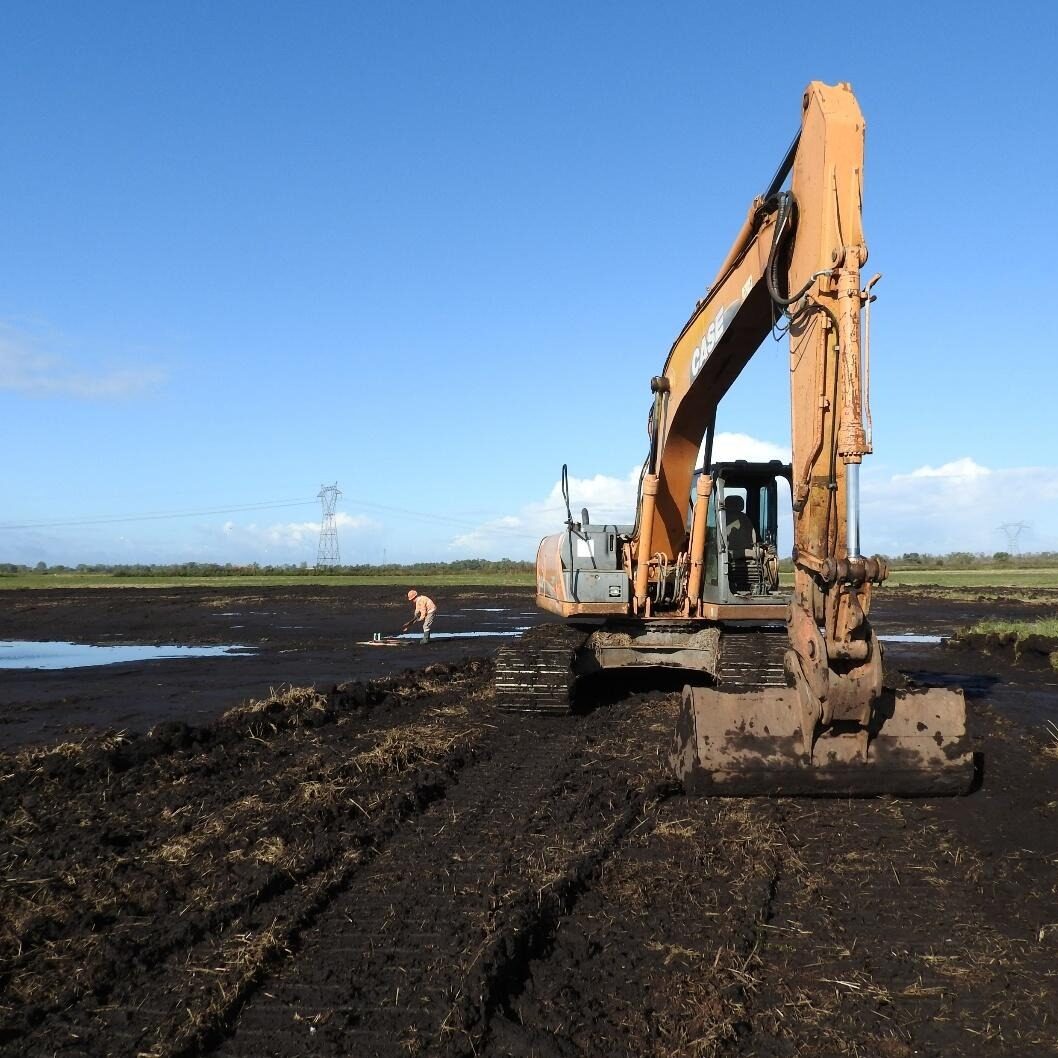
Action 1: Agroecological restoration
On a 200-hectare area, agroecological restoration is underway to reduce monoculture and increase diversity of the landscape. The action combines three agricultural sectors: reeds, short rotation coppice (SRC) willow, and hay meadows, along with a 20-hectare area dedicated to biodiversity.
To date, 4,326 plants of 15 local species have been planted along 5 kilometres of hedgerows to restore ecological heterogeneity. Four large wet depressions were created in 2024 and 2025 for amphibians.
Agricultural results so far:
Short rotation coppice willow: After high mortality in 2024 due to unsuitable cultivars, five resistant varieties were identified in 2025. Mixtures and densities tests are planned for 2026, with planting expected to resume in 2027.
Hay meadow: A seed mix of four species was sown in 2025. Mowing methods were reviewed to preserve biodiversity, including late mowing and the incorporation of refuge strips.
Reed bed: Early tests demonstrated that natural reed establishment requires seed-based planting. A field trial is planned for 2026 to confirm the most effective methods for large-scale establishment.
Action 2: Reducing light pollution through improved public lights
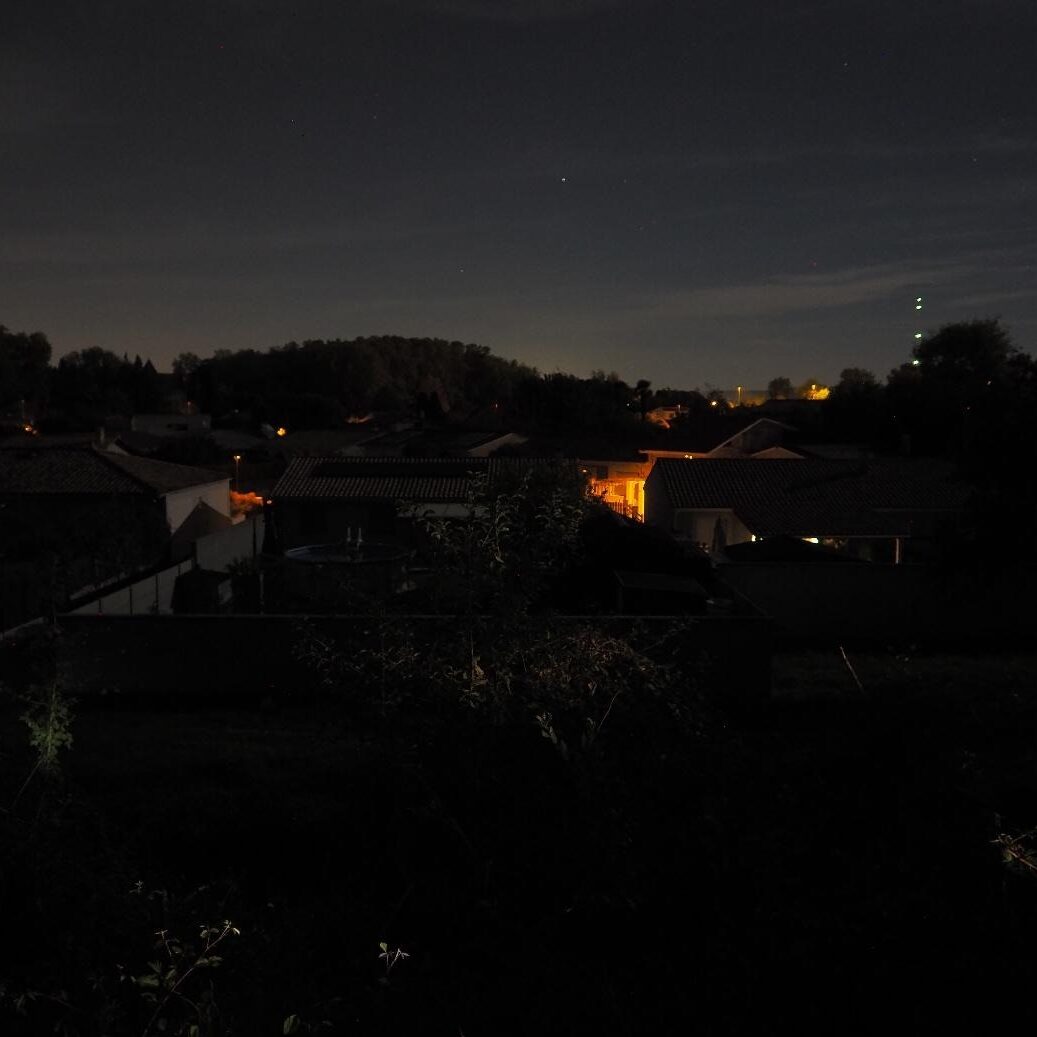
This action aims to reduce the impact of light pollution on twilight and nocturnal biodiversity by modifying 1,300 of the 3,790 identified light points.
In 2023–2024, a preliminary study identified 1,569 priority light points and recommended tailored solutions. In 2025, modifications began in four of the six dark infrastructures sectors.
Changes included:
- Replacement of conventional bulbs with amber LEDs.
- Installation of presence detection devices or on-demand lighting.
- Removal of certain light points.
Work will continue in early 2026 for the remaining sectors.
Action 3: Renaturation in urban areas
Bordeaux Métropole has identified several municipally owned urban plots for ecological restoration to reconnect green and blue infrastructure and increase ecosystem services such as cooling islands and pollination.
In 2024, three plots were planted with a multi-layered hedge composed of local species to create ecological corridors. A pollinator-friendly meadow was also established near a cultivated plot.
By the end of 2025, three other plots will be renatured, including one that has already undergone complete de-artificialisation. Micro-forests with varying planting densities will be established to test how density influences plant growth and cooling effects in urban environments.